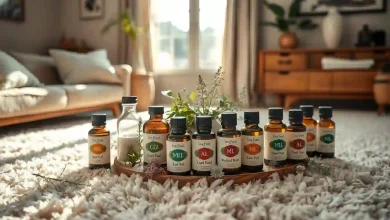
How to Properly and Safely Sanitize Hypoallergenic Rugs
Hypoallergenic rugs are a wonderful addition to your home, providing comfort and warmth while reducing allergens such as dust mites, pet dander, and pollen. To keep your hypoallergenic rugs performing their best and maintain a clean environment, it’s important to sanitize them properly and safely.
Anúncios
Using the wrong cleaning products or methods can lead to damage or cause allergens to spread, undermining the benefits of having a hypoallergenic rug. In this article, we will cover effective techniques for safely sanitizing your hypoallergenic rugs while maintaining their integrity and hypoallergenic properties.
1. Vacuum Regularly with a HEPA Filter
The most important step to maintaining the hypoallergenic nature of your rug is to vacuum it regularly. Dust, dander, and other allergens can settle deep into the fibers of your rug, making it essential to use the right equipment for proper cleaning.
Steps to Vacuum Properly
- Use a HEPA Filter Vacuum: Choose a vacuum equipped with a HEPA (High-Efficiency Particulate Air) filter. HEPA filters capture small particles, including dust mites and pollen, that regular vacuum cleaners might release back into the air.
- Vacuum Frequently: For hypoallergenic rugs, it’s important to vacuum at least twice a week, especially if you have pets or children. Regular vacuuming helps remove allergens before they become deeply embedded in the fibers.
- Use an Upholstery Tool: Use the vacuum’s upholstery tool to clean the edges and fringes of the rug, as these areas are prone to collecting dust and debris.
Vacuuming regularly with a HEPA filter is the first line of defense against allergens and helps maintain the hypoallergenic properties of your rug.
2. Use Baking Soda to Deodorize Naturally
Baking soda is a natural, non-toxic product that can help keep your hypoallergenic rug fresh without the use of harsh chemicals. It’s especially effective for absorbing odors and can be used safely around children and pets.
How to Use Baking Soda for Deodorizing
- Sprinkle Baking Soda: Lightly sprinkle a layer of baking soda over the entire surface of the rug.
- Let It Sit: Allow the baking soda to sit for at least 30 minutes, but ideally longer if you are dealing with strong odors. The longer it sits, the more odors it will absorb.
- Vacuum Thoroughly: After the baking soda has had time to absorb the odors, vacuum the rug thoroughly to remove all the powder.
Baking soda is a simple, safe, and natural way to maintain freshness without introducing allergens or chemicals.
3. Steam Cleaning for Deep Sanitization
Steam cleaning is an effective method for deep cleaning and sanitizing hypoallergenic rugs. It uses hot water vapor to remove dirt, bacteria, and allergens without the need for harsh chemicals.
Steps to Steam Clean Safely
- Use a Steam Cleaner with Minimal Moisture: Choose a steam cleaner designed for carpet use, and ensure it has a minimal moisture setting to avoid soaking the rug.
- Use Hot Water Only: The steam cleaner should be filled with hot water only. Avoid using any added chemicals or soaps that could leave behind residues and irritate sensitive individuals.
- Work in Sections: Work in small sections to ensure the entire rug is cleaned evenly, and do not oversaturate any one area.
- Dry Thoroughly: After steam cleaning, it is essential to allow the rug to dry completely. Use fans or open windows to speed up the drying process, as moisture can lead to mold or mildew, which can aggravate allergies.
Steam cleaning is a great option for hypoallergenic rugs because it effectively kills bacteria and removes allergens without the need for chemical cleaners.
4. Use Vinegar for Spot Cleaning
White vinegar is a natural disinfectant that can be used to spot clean your hypoallergenic rug without damaging the fibers or introducing toxic chemicals.
How to Spot Clean with Vinegar
- Mix a Cleaning Solution: Combine equal parts white vinegar and water in a spray bottle.
- Apply the Solution: Spray the solution onto the stained area. Be careful not to soak the rug—use just enough to dampen the area.
- Blot the Stain: Use a clean cloth to blot the stain gently, lifting it without rubbing. Blot until the stain is removed.
- Rinse with Clean Water: Dampen a cloth with plain water and blot the area to remove any vinegar residue, then blot dry with a clean towel.
Vinegar is effective for removing stains and disinfecting without leaving any chemical residues behind, making it an excellent choice for hypoallergenic rugs.
5. Essential Oils for Natural Freshness
Essential oils can be used to add a fresh scent to your hypoallergenic rug without using chemical-laden air fresheners. Some essential oils, like lavender or eucalyptus, even have natural antibacterial properties.
How to Use Essential Oils Safely
- Mix with Baking Soda: Mix 10-15 drops of essential oil with one cup of baking soda. Stir well to ensure the oil is evenly distributed.
- Sprinkle on the Rug: Sprinkle the mixture over the rug, and let it sit for 15-30 minutes.
- Vacuum Thoroughly: After allowing the mixture to sit, vacuum thoroughly to remove the baking soda and distribute the pleasant scent.
Essential oils not only provide a natural fragrance but can also help repel dust mites and other allergens, keeping your rug fresh.
6. Brush the Rug to Maintain Fiber Integrity
Brushing your rug is a great way to keep the fibers fluffy and to remove surface dirt that might have settled between vacuuming sessions.
How to Brush Properly
- Use a Soft-Bristled Brush: Choose a brush with soft bristles that will not damage the rug’s fibers. A carpet rake is also a good option for high-pile rugs.
- Brush Gently: Brush the rug in the direction of the fibers, being gentle to avoid tearing or damaging the fibers. This helps to fluff the rug and maintain its plush appearance.
Brushing the rug also helps loosen any particles that might be trapped near the surface, making vacuuming more effective.
7. Use UV Light for Extra Sanitization
For those who want an extra layer of sanitization, UV light is an excellent tool for eliminating bacteria, dust mites, and other allergens without any chemicals or moisture.
How to Use UV Light Safely
- Pass the UV Light Over the Rug: Slowly move the UV light over the surface of the rug, making sure to cover all areas. UV light kills bacteria, viruses, and dust mites, making your rug safer and more hypoallergenic.
- Follow Manufacturer Instructions: Always follow the instructions provided with the UV light to ensure proper use and safety.
UV light sanitization is a waterless and chemical-free option for maintaining the cleanliness of your hypoallergenic rug.
Final Thoughts
Sanitizing hypoallergenic rugs properly and safely requires regular maintenance, careful cleaning, and the right tools and techniques. By vacuuming regularly with a HEPA filter, using natural cleaning products like vinegar and baking soda, steam cleaning periodically, and brushing gently, you can keep your rug clean, fresh, and allergen-free.
These waterless and chemical-free methods ensure that your rug retains its hypoallergenic properties while providing a safe and clean environment for your family. With these practical steps, you can extend the lifespan of your rug, maintain its beauty, and ensure your home remains a healthy and comfortable space.
Publicado em: 22 de novembro de 2024

Flávio Silva
Flávio Silva é um especialista em finanças com ampla experiência no mercado corporativo, onde atuou por anos na área financeira de grandes empresas. Apaixonado por educação financeira, ele decidiu compartilhar seus conhecimentos criando o CredFive, um site dedicado a levar informações claras e acessíveis sobre finanças pessoais, investimentos, empréstimos e outros temas que impactam o dia a dia dos brasileiros. Com ética e compromisso, Flávio se dedica a democratizar o acesso ao conhecimento financeiro, ajudando as pessoas a tomarem decisões mais conscientes e informadas.